.jpg)
Applied chemistry

Chemistry, a branch of physical science, is the study of the composition, structure, properties and change of matter. Chemistry is chiefly concerned with atoms and their interactions with other atoms - for example, the properties of the chemical bonds formed between atoms to create chemical compounds. As well as this, interactions including atoms and other phenomena - electrons and various forms of energy—are considered, such as photochemical reactions, oxidation-reduction reactions, changes in phases of matter, and separation of mixtures. Finally, properties of matter such as alloys or polymers are considered.
Chemistry is sometimes called "the central science" because it bridges other natural sciences like physics, geology and biology with each other. Chemistry is a branch of physical science but distinct from physics.
The etymology of the word chemistry has been much disputed. The origin of chemistry can be traced to certain practices, known as alchemy, which had been practiced for several millennia in various parts of the world, particularly the Middle East.
In retrospect, the definition of chemistry has changed over time, as new discoveries and theories add to the functionality of the science. The term "chymistry", in the view of noted scientist Robert Boyle in 1661, meant the subject of the material principles of mixed bodies. In 1663, "chymistry" meant a scientific art, by which one learns to dissolve bodies, and draw from them the different substances on their composition, and how to unite them again, and exalt them to a higher perfection - this definition was used by chemist Christopher Glaser.

water
Water is an unusual compound with unique physical properties. As a result, its the compound of life. Yet, its the most abundant compound in the biosphere of Earth. These properties are related to its electronic structure, bonding, and chemistry. However, due to its affinity for a variety of substances, ordinary water contains other substances. Few of us has used, seen or tested pure water, based on which we discuss its chemistry.
The chemistry of water deals with the fundamental chemical property and information about water.
impurities in water
The two major types of water impurities are biological and chemical. Most wilderness areas and hiking terrain are at higher elevations and above or up stream of any outposts of "civilization". So in most wilderness areas chemical contamination is not a real problem. The primary exception to this rule of thumb is in some desert areas where dissolved chemicals may reach toxic levels through evaporation.
Biological impurities on the other hand potentially exist in almost any water source except possibly right at a spring because they are carried not only by other hikers but also by animals. Biological contaminates may be microorganisms, bacteria, or viruses.
The two most common microorganisms to contaminate a hikers water sources are Giardia and Cryptosporidiosis. Chemical treatments are typically less effective against these than boiling or filters.
Many different forms of bacteria and viruses may also cause discomfort if ingested from contaminated water sources. Coliform and E coli are bacteria sometimes found in water that may be contaminated with human or animal wastes. Microbes in these wastes can cause short-term effects, such as diarrhea, cramps, nausea, headaches, or other symptoms. Boiling and chemical treatments are typically more effective against bacteria and viruses than are filters.

Hardness of water
There are two kinds of Hardness of water.
1. Temporary Hardness:
This is caused by the bi-carbonates of calcium and Magnesium, and is called Temporary Hardness, as boiling removes the chemicals concerned.
Bi-carbonates, when heated, will break down to form insoluble carbonates which give rise to deposits of Scale or
Fur inside kettles and piping. This build up of layers of scale will cause poor heat transfer and a heating element can overheat and burn out or, in the case of a steam generation boiler, can cause pipe blockages.
Also, Calcium sulphate has Inverted Solubility - as water temperature increases, the solubility of the sulphate decreases causing crystals to form that build up into scale deposits.
2. Permanent Hardness.
Chlorides, Sulphates and Nitrates of Calcium and Magnesium cause what is termed Permanent Hardness in water.
These salts, again, cause problems with scale and blockages and can only be removed by special chemical treatments called Ion Exchange reactions using Ion Exchange Resins called Zeolites.
Some materials that are insoluble in water, called Zeolites, have the property of combining with certain harmful ions in a solution and, at the same time producing other harmless ions. Zeolites are referred to as Ion Exchange Resins and are complex compounds of Sodium, Aluminium, Silicon and Oxygen.
When water containing Ca(2+) and Mg(2+) ions, is passed through Zeolite beds, these ions are picked up by the Zeolite which then replaces them with harmless sodium ions … Na+ . If we represent the Zeolite as a letter Z, the equation can be shown as follows: -
Ca(2+) + Na2Z ===> CaZ + 2Na+
This indicates that the calcium ions have come out of solution and are replaced by sodium ions in the solution.
Source:
From my many years in Oil & Gas working with Boiler Feed Water control.

Types of Water - Municipal
Municipal Water (Tap Water)
In most developed countries, water is supplied to households and industries using underground pipes. That water is processed and treated to meet drinking water standards, even though only a very small proportion is consumed or used in food preparation. In the United States, less than 1% of municipal water is used for human consumption. The rest is used for things like bathing, watering gardens, cleaning, and cooking.
Municipal drinking water is regulated by the Environmental Protection Agency (EPA) in the United States.
The quality and reliability of municipally supplied tap water can vary from community to community. If a consumer has questions or concerns about their municipally supplied tap water, they should review thier utilitys Consumer Confidence Report. The EPA also provides additional information about drinking water that consumers may find helpful.
Sources of Tap Water
In most cities and towns, municipal water comes from large wells, lakes, rivers, or reservoirs. Most cities and towns process the water at treatment plants before the water is tested for EPA compliance and is then piped to residential homes and industries.
The amount and type of treatment applied by a public water system varies with the source type and quality. Some groundwater systems can satisfy all federal requirements without applying any treatment, while others need to add chlorine or additional treatments. Because surface water systems are exposed to and fed by direct land runoff and exposed to the atmosphere, they are more easily subjected to contamination. Federal and state regulations require that those systems treat this type of water to meet health-based standards.
Disinfecting Tap Water
Disinfection of municipal drinking water is one of the major public health advances of the 20th century. However, the disinfectants themselves can react with naturally occurring materials in the water to form unintended byproducts, which may pose health risks. A major challenge for municipal water suppliers is balancing the risks from microbial pathogens and disinfection byproducts.
BOD, COD
Biochemical Oxygen Demand (BOD) is a chemical procedure for determining how fast biological organisms use up oxygen in a body of water. It is usually performed over a 5-day period at 20° Celsius. It is used in water quality management and assessment, ecology and environmental science. BOD is not an accurate quantitative test, although it could be considered as an indication of the quality of a water source.
In environmental chemistry, the chemical oxygen demand (COD) test is commonly used to indirectly measure the amount of organic compounds in water. Most applications of COD determine the amount of organic pollutants found in surface water (e.g. lakes and rivers), making COD a useful measure of water quality. It is expressed in milligrams per liter (mg/L), which indicates the mass of oxygen consumed per liter of solution. Older references may express the units as parts per million (ppm).
Polymers
A polymer (/?p?l?m?r/) (poly-, "many" + -mer, "parts") is a large molecule, or macromolecule, composed of many repeated subunits, known as monomers. Because of their broad range of properties, both synthetic and natural polymers play an essential and ubiquitous role in everyday life. Polymers range from familiar synthetic plastics such as polystyrene to natural biopolymers such as DNA and proteins that are fundamental to biological structure and function. Polymers, both natural and synthetic, are created via polymerization of many monomers. Their consequently large molecular mass relative to small molecule compounds produces unique physical properties, including toughness, viscoelasticity, and a tendency to form glasses and semicrystalline structures rather than crystals.
The term "polymer" derives from the ancient Greek word ????? (polus, meaning "many, much") and ????? (meros, meaning "parts"), and refers to a molecule whose structure is composed of multiple repeating units, from which originates a characteristic of high relative molecular mass and attendant properties. The units composing polymers derive, actually or conceptually, from molecules of low relative molecular mass. The term was coined in 1833 by Jöns Jacob Berzelius, though with a definition distinct from the modern IUPAC definition. The modern concept of polymers as covalently bonded macromolecular structures was proposed in 1920 by Hermann Staudinger, who spent the next decade finding experimental evidence for this hypothesis.
Polymers are studied in the fields of biophysics and macromolecular science, and polymer science (which includes polymer chemistry and polymer physics). Historically, products arising from the linkage of repeating units by covalent chemical bonds have been the primary focus of polymer science; emerging important areas of the science now focus on non-covalent links. Polyisoprene of latex rubber and the polystyrene of styrofoam are examples of polymeric natural/biological and synthetic polymers, respectively. In biological contexts, essentially all biological macromolecules—i.e., proteins (polyamides), nucleic acids (polynucleotides), and polysaccharides—are purely polymeric, or are composed in large part of polymeric components—e.g., isoprenylated/lipid-modified glycoproteins, where small lipidic molecule and oligosaccharide modifications occur on the polyamide backbone of the protein.
Polymer properties are broadly divided into several classes based on the scale at which the property is defined as well as upon its physical basis. The most basic property of a polymer is the identity of its constituent monomers. A second set of properties, known as microstructure, essentially describe the arrangement of these monomers within the polymer at the scale of a single chain. These basic structural properties play a major role in determining bulk physical properties of the polymer, which describe how the polymer behaves as a continuous macroscopic material. Chemical properties, at the nano-scale, describe how the chains interact through various physical forces. At the macro-scale, they describe how the bulk polymer interacts with other chemicals and solvents.
Natural rubber
Natural rubber, also called India rubber or caoutchouc, as initially produced, consists of polymers of the organic compound isoprene, with minor impurities of other organic compounds plus water. Forms of polyisoprene that are useful as natural rubbers are classified as elastomers. Currently, rubber is harvested mainly in the form of the latex from certain trees. The latex is a sticky, milky colloid drawn off by making incisions into the bark and collecting the fluid in vessels in a process called "tapping". The latex then is refined into rubber ready for commercial processing. Natural rubber is used extensively in many applications and products, either alone or in combination with other materials. In most of its useful forms, it has a large stretch ratio, high resilience, and is extremely waterproof.
Rubber exhibits unique physical and chemical properties. Rubbers stress-strain behavior exhibits the Mullins effect and the Payne effect, and is often modeled as hyperelastic. Rubber strain crystallizes.
Due to the presence of a double bond in each repeat unit, natural rubber is susceptible to vulcanisation and sensitive to ozone cracking.
The two main solvents for rubber are turpentine and naphtha (petroleum). The former has been in use since 1764 when François Fresnau made the discovery. Giovanni Fabbroni is credited with the discovery of naphtha as a rubber solvent in 1779. Because rubber does not dissolve easily, the material is finely divided by shredding prior to its immersion.
Latex is the polymer cis-1,4-polyisoprene – with a molecular weight of 100,000 to 1,000,000 daltons. Typically, a small percentage (up to 5% of dry mass) of other materials, such as proteins, fatty acids, resins, and inorganic materials (salts) are found in natural rubber. Polyisoprene can also be created synthetically, producing what is sometimes referred to as "synthetic natural rubber", but the synthetic and natural routes are completely different.
Isoprenoids, Rubber, and Tuning Polymer Properties
Rubber particles are formed in the cytoplasm of specialized latex-producing cells called laticifers within rubber plants. Rubber particles are surrounded by a single phospholipid membrane with hydrophobic tails pointed inward. The membrane allows biosynthetic proteins to be sequestered at the surface of the growing rubber particle, which allows new monomeric units to be added from outside the biomembrane, but within the lacticifer. The rubber particle is an enzymatically active entity that contains three layers of material, the rubber particle, a biomembrane, and free monomeric units. The biomembrane is held tightly to the rubber core due to the high negative charge along the double bonds of the rubber polymer backbone. Free monomeric units and conjugated proteins make up the outer layer. The rubber precursor is isopentenyl pyrophosphate (an allylic compound), which elongates by Mg2+-dependent condensation by the action of rubber transferase. The monomer adds to the pyrophosphate end of the growing polymer.[8] The process displaces the terminal high-energy pyrophosphate. The reaction produces a cis polymer. The initiation step is catalyzed by prenyltransferase, which converts three monomers of isopentenyl pyrophosphate into farnesyl pyrophosphate The farnesyl pyrophosphate can bind to rubber transferase to elongate a new rubber polymer.
The required isopentenyl pyrophosphate is obtained from the mevalonate pathway, which is derives from acetyl-CoA in the cytosol. In plants, isoprene pyrophosphate can also be obtained from 1-deox-D-xyulose-5-phosphate/2-C-methyl-D-erythritol-4-phosphate pathway within plasmids. The relative ratio of the farnesyl pyrophosphate initiator unit and isoprenyl pyrophosphate elongation monomer determines the rate of new particle synthesis versus elongation of existing particles. Though rubber is known to be produced by only one enzyme, extracts of latex have shown numerous small molecular weight proteins with unknown function. The proteins possibly serve as cofactors, as the synthetic rate decreases with complete removal.
LUBRICANTS
The substances which are used to decrease the force of friction between the moving parts of machine in contact are known as Lubricants and the process of decreasing the force of friction between the moving parts of machine in contact is known as Lubrication.
When on surface of machinery moves over the another surface, resistance to relative motion of the surfaces arises. When we look at the solid surface it appears smooth to naked eye , but this smooth surface shows irregularities of projections and cavities when viewed under high power microscope.

Functions of Lubricants
i) Lubricants avoid the damage of the moving parts of machines by minimizing the production of heat.
ii) Lubricants reduce the wear and tear of machinery by keeping the moving parts of machines apart.
iii) Lubricants reduce the maintenance and running cost of machine.
iv) Lubricants act as the coolant because it reduces the production of heat between the moving parts of machine in contact.
v) Lubricants increases the efficiency of machine by reducing the loss of energy.
vi) By using the lubricants, the relative motion of the moving parts of machine becomes smooth and noise level of running machine reduces.
vii) Lubricants also act as the corrosion preventers.
viii) Lubricants also act as a seal as in piston. Lubricant used between piston and walls of the container (cylinder) prevents the leakage of hot gases produced by the internal combustion i.e.it act as seal.
Mechanism of Lubricants (TYPES OF LUBRICATION)
In order to lubricate a machine we have to keep in mind the conditions under which the machine is working.
There are 3 types of mechanisms by which lubrication is done.
1) Hydrodynamic or Fluid Film or Thick Film Lubrication
2) Boundary Lubrication or Thin Film Lubrication
3) Extreme Pressure Lubrication
phase rule
Gibbs phase rule was proposed by Josiah Willard Gibbs in his landmark paper titled On the Equilibrium of Heterogeneous Substances, published from 1875 to 1878. The rule is the equality
F=C-P+2
where F is the number of degrees of freedom, C is the number of components and P (alternatively ? or ?) is the number of phases in thermodynamic equilibrium with each other.
The number of degrees of freedom is the number of independent intensive variables, i. e. the largest number of properties such as temperature or pressure that can be varied simultaneously and arbitrarily without affecting one another. An example of one-component system is a system involving one pure chemical, while two-component systems, such as mixtures of water and ethanol, have two chemically independent components, and so on. Typical phases are solids, liquids and gases.
Pure substances (one component)
For pure substances C = 1 so that F = 3 – P. In a single phase (P = 1) condition of a pure component system, two variables (F = 2), such as temperature and pressure, can be chosen independently to be any pair of values consistent with the phase. However, if the temperature and pressure combination ranges to a point where the pure component undergoes a separation into two phases (P = 2), F decreases from 2 to 1. When the system enters the two-phase region, it becomes no longer possible to independently control temperature and pressure.
In the phase diagram to the right, the boundary curve between the liquid and gas regions maps the constraint between temperature and pressure when the single-component system has separated into liquid and gas phases at equilibrium. If the pressure is increased by compression, some of the gas condenses and the temperature goes up. If the temperature is decreased by cooling, some of the gas condenses, decreasing the pressure. Throughout both processes, the temperature and pressure stay in the relationship shown by this boundary curve unless one phase is entirely consumed by evaporation or condensation, or unless the critical point is reached. As long as there are two phases, there is only one degree of freedom, which corresponds to the position along the phase boundary curve.
The critical point is the black dot at the end of the liquid-gas boundary. As this point is approached, the liquid and gas phases become progressively more similar until, at the critical point, there is no longer a separation into two phases. Above the critical point and away from the phase boundary curve, F = 2 and the temperature and pressure can be controlled independently. Hence there is only one phase, and it has the physical properties of a dense gas, but is also referred to as a supercritical fluid.
Of the other two-boundary curves, one is the solid–liquid boundary or melting point curve which indicates the conditions for equilibrium between these two phases, and the other at lower temperature and pressure is the solid–gas boundary.

Even for a pure substance, it is possible that three phases, such as solid, liquid and vapour, can exist together in equilibrium (P = 3). If there is only one component, there are no degrees of freedom (F = 0) when there are three phases. Therefore, in a single-component system, this three-phase mixture can only exist at a single temperature and pressure, which is known as a triple point. Here there are two equations ?sol(T, p) = ?liq(T, p) = ?vap(T, p), which are sufficient to determine the two variables T and p. In the diagram for CO2 the triple point is the point at which the solid, liquid and gas phases come together, at 5.2 bar and 217 K. It is also possible for other sets of phases to form a triple point, for example in the water system there is a triple point where ice I, ice III and liquid can coexist.
If four phases of a pure substance were in equilibrium (P = 4), the phase rule would give F = ?1, which is meaningless, since there cannot be ?1 independent variables. This explains the fact that four phases of a pure substance (such as ice I, ice III, liquid water and water vapour) are not found in equilibrium at any temperature and pressure. In terms of chemical potentials there are now three equations, which cannot in general be satisfied by any values of the two variables T and p, although in principle they might be solved in a special case where one equation is mathematically dependent on the other two. In practice, however, the coexistence of more phases than allowed by the phase rule normally means that the phases are not all in true equilibrium.
Two-component systems
For binary mixtures of two chemically independent components, C = 2 so that F = 4 – P. In addition to temperature and pressure, the other degree of freedom is the composition of each phase, often expressed as mole fraction or mass fraction of one component.
As an example, consider the system of two completely miscible liquids such as toluene and benzene, in equilibrium with their vapours. This system may be described by a boiling-point diagram which shows the composition (mole fraction) of the two phases in equilibrium as functions of temperature (at a fixed pressure).
Four thermodynamic variables which may describe the system include temperature (T), pressure (p), mole fraction of component 1 (toluene) in the liquid phase (x1L), and mole fraction of component 1 in the vapour phase (x1V). However since two phases are in equilibrium, only two of these variables can be independent (F = 2). This is because the four variables are constrained by two relations: the equality of the chemical potentials of liquid toluene and toluene vapour, and the corresponding equality for benzene.
For given T and p, there will be two phases at equilibrium when the overall composition of the system (system point) lies in between the two curves. A horizontal line (isotherm or tie line) can be drawn through any such system point, and intersects the curve for each phase at its equilibrium composition. The quantity of each phase is given by the lever rule (expressed in the variable corresponding to the x-axis, here mole fraction).
For the analysis of fractional distillation, the two independent variables are instead considered to be liquid-phase composition (x1L) and pressure. In that case the phase rule implies that the equilibrium temperature (boiling point) and vapour-phase composition are determined.
Liquid-vapour phase diagrams for other systems may have azeotropes (maxima or minima) in the composition curves, but the application of the phase rule is unchanged. The only difference is that the compositions of the two phases are equal exactly at the azeotropic composition.
Phase rule at constant pressure
For applications in materials science dealing with phase changes between different solid structures, pressure is often imagined to be constant (for example at one atmosphere), and is ignored as a degree of freedom, so the rule becomes
F = C ? P + 1 .
This is sometimes misleadingly called the "condensed phase rule", but it is not applicable to condensed systems which are subject to high pressures (for example, in geology), since the effects of these pressures can be important.
Important Engineering Materials
cement
Manufacture of Portland Cement
Portland cement is the most common type of cement in general use around the world, used as a basic ingredient of concrete, mortar, stucco, and most non-specialty grout. It developed from other types of hydraulic lime in England in the mid 19th century and usually originates from limestone. It is a fine powder produced by heating materials in a kiln to form what is called Portland cement clinker, grinding the clinker, and adding small amounts of other materials. Several types of Portland cement are available with the most common being called ordinary Portland cement (OPC) which is grey in color, but a white Portland cement is also available.
Portland cement is caustic so it can cause chemical burns, the powder can cause irritation or with severe exposure lung cancer, and contains some toxic ingredients such as silica and chromium. Environmental concerns are the high energy consumption required to mine, manufacture, and transport the cement and the related air pollution including the release of greenhouse gasses (carbon dioxide), dioxin, NOx, SO2, and particulates.
ASTM C150 defines Portland cement as "hydraulic cement (cement that not only hardens by reacting with water but also forms a water-resistant product) produced by pulverizing clinkers consisting essentially of hydraulic calcium silicates, usually containing one or more of the forms of calcium sulfate as an inter ground addition."[11] and the European Standard EN 197-1 as:
Portland cement clinker is a hydraulic material which shall consist of at least two-thirds by mass of calcium silicates (3 CaO·SiO2 and 2 CaO·SiO2), the remainder consisting of aluminium- and iron-containing clinker phases and other compounds. The ratio of CaO to SiO2 shall not be less than 2.0. The magnesium oxide content (MgO) shall not exceed 5.0% by mass.
Clinkers make up more than 90% of the cement along with a limited amount of calcium sulfate (which controls the set time) and up to 5% minor constituents (fillers) as allowed by various standards. Clinkers are nodules (diameters, 0.2–1.0 inch [5–25 mm]) of a sintered material that is produced when a raw mixture of predetermined composition is heated to high temperature. The key chemical reaction which defines Portland cement from other hydraulic limes occurs at these high temperatures (>1,300 °C (2,370 °F) and is when the belite (Ca2SiO4) combines with calcium oxide (CaO) to form alite (Ca3SiO5).
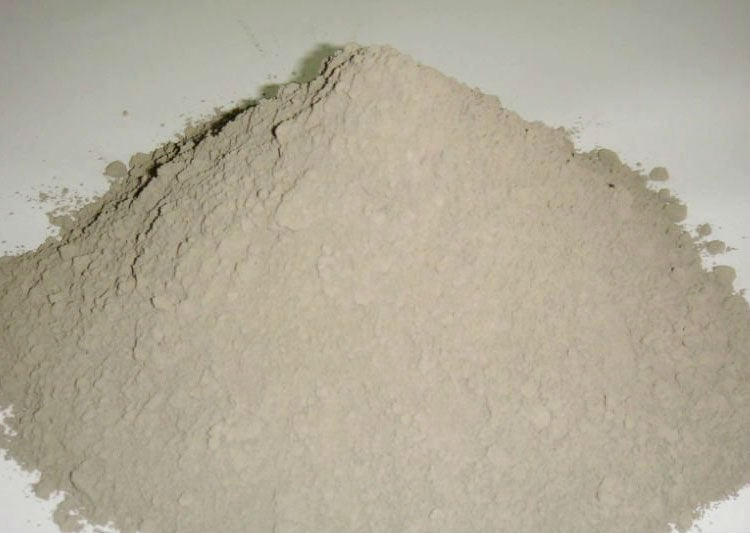
Portland cement clinker is made by heating, in a cement kiln, a mixture of raw materials to a calcining temperature of above 600 °C (1,112 °F) and then a fusion temperature, which is about 1,450 °C (2,640 °F) for modern cements, to sinter the materials into clinker. The materials in cement clinker are alite, belite, tri-calcium aluminate, and tetra-calcium alumino ferrite. The aluminium, iron, and magnesium oxides are present as a flux allowing the calcium silicates to form at a lower temperature[13] and contribute little to the strength. For special cements, such as Low Heat (LH) and Sulfate Resistant (SR) types, it is necessary to limit the amount of tricalcium aluminate (3 CaO·Al2O3) formed. The major raw material for the clinker-making is usually limestone (CaCO3) mixed with a second material containing clay as source of alumino-silicate. Normally, an impure limestone which contains clay or SiO2 is used. The CaCO3 content of these limestones can be as low as 80%. Secondary raw materials (materials in the rawmix other than limestone) depend on the purity of the limestone. Some of the materials used are clay, shale, sand, iron ore, bauxite, fly ash, and slag. When a cement kiln is fired by coal, the ash of the coal acts as a secondary raw material.
Setting and hardening
Cement sets when mixed with water by way of a complex series of chemical reactions still only partly understood. The different constituents slowly crystallise and the interlocking of their crystals gives cement its strength. Carbon dioxide is slowly absorbed to convert the portlandite (Ca(OH)2) into insoluble calcium carbonate. After the initial setting, immersion in warm water will speed up setting. Gypsum is added as an inhibitor to prevent flash setting.
Nanomaterials
Nanomaterials describe, in principle, materials of which a single unit is sized (in at least one dimension) between 1 and 1000 nanometers (10?9 meter) but is usually 1—100 nm (the usual definition of nanoscale[1]).
Nanomaterials research takes a materials science-based approach to nanotechnology, leveraging advances in materials metrology and synthesis which have been developed in support of microfabrication research. Materials with structure at the nanoscale often have unique optical, electronic, or mechanical properties.
Natural nanomaterials
Biological systems often feature natural, functional nanomaterials. The structure of foraminifera and viruses (capsid), the wax crystals covering a lotus or nasturtium leaf, spider and spider-mite silk,[2] the "spatulae" on the bottom of gecko feet, some butterfly wing scales, natural colloids (milk, blood), horny materials (skin, claws, beaks, feathers, horns, hair), paper, cotton, nacre, corals, and even our own bone matrix are all natural organic nanomaterials.
Natural inorganic nanomaterials occur through crystal growth in the diverse chemical conditions of the earths crust. For example clays display complex nanostructures due to anisotropy of their underlying crystal structure, and volcanic activity can give rise to opals, which are an instance of a naturally occurring Photonic crystals due to their nanoscale structure. Wildfires represent particularly complex reactions, and can produce pigments, cement, fumed silica etc.
Carbon Nanotubes
What is a Carbon Nanotube?
A Carbon Nanotube is a tube-shaped material, made of carbon, having a diameter measuring on the nanometer scale. A nanometer is one-billionth of a meter, or about one ten-thousandth of the thickness of a human hair. The graphite layer appears somewhat like a rolled-up chicken wire with a continuous unbroken hexagonal mesh and carbon molecules at the apexes of the hexagons.
Carbon Nanotubes have many structures, differing in length, thickness, and in the type of helicity and number of layers. Although they are formed from essentially the same graphite sheet, their electrical characteristics differ depending on these variations, acting either as metals or as semiconductors.
As a group, Carbon Nanotubes typically have diameters ranging from <1 nm up to 50 nm. Their lengths are typically several microns, but recent advancements have made the nanotubes much longer, and measured in centimeters.
Carbon Nanotubes can be categorized by their structures:
1. Single-wall Nanotubes (SWNT)
2. Multi-wall Nanotubes (MWNT)
3. Double-wall Nanotubes (DWNT)
What are the Properties of a Carbon Nanotube?
The intrinsic mechanical and transport properties of Carbon Nanotubes make them the ultimate carbon fibers.
What are the Potential Applications for Carbon Nanotubes?
Carbon Nanotube Technology can be used for a wide range of new and existing applications:
Conductive plastics
Structural composite materials
Flat-panel displays
Gas storage
Antifouling paint
Micro- and nano-electronics
Radar-absorbing coating
Technical textiles
Ultra-capacitors
Atomic Force Microscope (AFM) tips
Batteries with improved lifetime
Biosensors for harmful gases
Extra strong fibers
CCVD method of Carbon Nanotube Synthesis
Overall, Carbon Nanotubes show a unique combination of stiffness, strength, and tenacity compared to other fiber materials which usually lack one or more of these properties. Thermal and electrical conductivity are also very high, and comparable to other conductive materials.
Chemistry, a branch of physical science, is the study of the composition, structure, properties and change of matter. Chemistry is chiefly concerned with atoms and their interactions with other atoms - for example, the properties of the chemical bonds formed between atoms to create chemical compounds. As well as this, interactions including atoms and other phenomena - electrons and various forms of energy—are considered, such as photochemical reactions, oxidation-reduction reactions, changes in phases of matter, and separation of mixtures. Finally, properties of matter such as alloys or polymers are considered.
Chemistry is sometimes called "the central science" because it bridges other natural sciences like physics, geology and biology with each other. Chemistry is a branch of physical science but distinct from physics.
The etymology of the word chemistry has been much disputed. The origin of chemistry can be traced to certain practices, known as alchemy, which had been practiced for several millennia in various parts of the world, particularly the Middle East.
In retrospect, the definition of chemistry has changed over time, as new discoveries and theories add to the functionality of the science. The term "chymistry", in the view of noted scientist Robert Boyle in 1661, meant the subject of the material principles of mixed bodies. In 1663, "chymistry" meant a scientific art, by which one learns to dissolve bodies, and draw from them the different substances on their composition, and how to unite them again, and exalt them to a higher perfection - this definition was used by chemist Christopher Glaser.
water
Water is an unusual compound with unique physical properties. As a result, its the compound of life. Yet, its the most abundant compound in the biosphere of Earth. These properties are related to its electronic structure, bonding, and chemistry. However, due to its affinity for a variety of substances, ordinary water contains other substances. Few of us has used, seen or tested pure water, based on which we discuss its chemistry.
The chemistry of water deals with the fundamental chemical property and information about water.
impurities in water
The two major types of water impurities are biological and chemical. Most wilderness areas and hiking terrain are at higher elevations and above or up stream of any outposts of "civilization". So in most wilderness areas chemical contamination is not a real problem. The primary exception to this rule of thumb is in some desert areas where dissolved chemicals may reach toxic levels through evaporation.
Biological impurities on the other hand potentially exist in almost any water source except possibly right at a spring because they are carried not only by other hikers but also by animals. Biological contaminates may be microorganisms, bacteria, or viruses.
The two most common microorganisms to contaminate a hikers water sources are Giardia and Cryptosporidiosis. Chemical treatments are typically less effective against these than boiling or filters.
Many different forms of bacteria and viruses may also cause discomfort if ingested from contaminated water sources. Coliform and E coli are bacteria sometimes found in water that may be contaminated with human or animal wastes. Microbes in these wastes can cause short-term effects, such as diarrhea, cramps, nausea, headaches, or other symptoms. Boiling and chemical treatments are typically more effective against bacteria and viruses than are filters.
Hardness of water
There are two kinds of Hardness of water.
1. Temporary Hardness:
This is caused by the bi-carbonates of calcium and Magnesium, and is called Temporary Hardness, as boiling removes the chemicals concerned.
Bi-carbonates, when heated, will break down to form insoluble carbonates which give rise to deposits of Scale or
Fur inside kettles and piping. This build up of layers of scale will cause poor heat transfer and a heating element can overheat and burn out or, in the case of a steam generation boiler, can cause pipe blockages.
Also, Calcium sulphate has Inverted Solubility - as water temperature increases, the solubility of the sulphate decreases causing crystals to form that build up into scale deposits.
2. Permanent Hardness.
Chlorides, Sulphates and Nitrates of Calcium and Magnesium cause what is termed Permanent Hardness in water.
These salts, again, cause problems with scale and blockages and can only be removed by special chemical treatments called Ion Exchange reactions using Ion Exchange Resins called Zeolites.
Some materials that are insoluble in water, called Zeolites, have the property of combining with certain harmful ions in a solution and, at the same time producing other harmless ions. Zeolites are referred to as Ion Exchange Resins and are complex compounds of Sodium, Aluminium, Silicon and Oxygen.
When water containing Ca(2+) and Mg(2+) ions, is passed through Zeolite beds, these ions are picked up by the Zeolite which then replaces them with harmless sodium ions … Na+ . If we represent the Zeolite as a letter Z, the equation can be shown as follows: -
Ca(2+) + Na2Z ===> CaZ + 2Na+
This indicates that the calcium ions have come out of solution and are replaced by sodium ions in the solution.
Source:
From my many years in Oil & Gas working with Boiler Feed Water control.
Types of Water - Municipal
Municipal Water (Tap Water)
In most developed countries, water is supplied to households and industries using underground pipes. That water is processed and treated to meet drinking water standards, even though only a very small proportion is consumed or used in food preparation. In the United States, less than 1% of municipal water is used for human consumption. The rest is used for things like bathing, watering gardens, cleaning, and cooking.
Municipal drinking water is regulated by the Environmental Protection Agency (EPA) in the United States.
The quality and reliability of municipally supplied tap water can vary from community to community. If a consumer has questions or concerns about their municipally supplied tap water, they should review thier utilitys Consumer Confidence Report. The EPA also provides additional information about drinking water that consumers may find helpful.
Sources of Tap Water
In most cities and towns, municipal water comes from large wells, lakes, rivers, or reservoirs. Most cities and towns process the water at treatment plants before the water is tested for EPA compliance and is then piped to residential homes and industries.
The amount and type of treatment applied by a public water system varies with the source type and quality. Some groundwater systems can satisfy all federal requirements without applying any treatment, while others need to add chlorine or additional treatments. Because surface water systems are exposed to and fed by direct land runoff and exposed to the atmosphere, they are more easily subjected to contamination. Federal and state regulations require that those systems treat this type of water to meet health-based standards.
Disinfecting Tap Water
Disinfection of municipal drinking water is one of the major public health advances of the 20th century. However, the disinfectants themselves can react with naturally occurring materials in the water to form unintended byproducts, which may pose health risks. A major challenge for municipal water suppliers is balancing the risks from microbial pathogens and disinfection byproducts.
BOD, COD
Biochemical Oxygen Demand (BOD) is a chemical procedure for determining how fast biological organisms use up oxygen in a body of water. It is usually performed over a 5-day period at 20° Celsius. It is used in water quality management and assessment, ecology and environmental science. BOD is not an accurate quantitative test, although it could be considered as an indication of the quality of a water source.
In environmental chemistry, the chemical oxygen demand (COD) test is commonly used to indirectly measure the amount of organic compounds in water. Most applications of COD determine the amount of organic pollutants found in surface water (e.g. lakes and rivers), making COD a useful measure of water quality. It is expressed in milligrams per liter (mg/L), which indicates the mass of oxygen consumed per liter of solution. Older references may express the units as parts per million (ppm).
Polymers
A polymer (/?p?l?m?r/) (poly-, "many" + -mer, "parts") is a large molecule, or macromolecule, composed of many repeated subunits, known as monomers. Because of their broad range of properties, both synthetic and natural polymers play an essential and ubiquitous role in everyday life. Polymers range from familiar synthetic plastics such as polystyrene to natural biopolymers such as DNA and proteins that are fundamental to biological structure and function. Polymers, both natural and synthetic, are created via polymerization of many monomers. Their consequently large molecular mass relative to small molecule compounds produces unique physical properties, including toughness, viscoelasticity, and a tendency to form glasses and semicrystalline structures rather than crystals.
The term "polymer" derives from the ancient Greek word ????? (polus, meaning "many, much") and ????? (meros, meaning "parts"), and refers to a molecule whose structure is composed of multiple repeating units, from which originates a characteristic of high relative molecular mass and attendant properties. The units composing polymers derive, actually or conceptually, from molecules of low relative molecular mass. The term was coined in 1833 by Jöns Jacob Berzelius, though with a definition distinct from the modern IUPAC definition. The modern concept of polymers as covalently bonded macromolecular structures was proposed in 1920 by Hermann Staudinger, who spent the next decade finding experimental evidence for this hypothesis.
Polymers are studied in the fields of biophysics and macromolecular science, and polymer science (which includes polymer chemistry and polymer physics). Historically, products arising from the linkage of repeating units by covalent chemical bonds have been the primary focus of polymer science; emerging important areas of the science now focus on non-covalent links. Polyisoprene of latex rubber and the polystyrene of styrofoam are examples of polymeric natural/biological and synthetic polymers, respectively. In biological contexts, essentially all biological macromolecules—i.e., proteins (polyamides), nucleic acids (polynucleotides), and polysaccharides—are purely polymeric, or are composed in large part of polymeric components—e.g., isoprenylated/lipid-modified glycoproteins, where small lipidic molecule and oligosaccharide modifications occur on the polyamide backbone of the protein.
Polymer properties are broadly divided into several classes based on the scale at which the property is defined as well as upon its physical basis. The most basic property of a polymer is the identity of its constituent monomers. A second set of properties, known as microstructure, essentially describe the arrangement of these monomers within the polymer at the scale of a single chain. These basic structural properties play a major role in determining bulk physical properties of the polymer, which describe how the polymer behaves as a continuous macroscopic material. Chemical properties, at the nano-scale, describe how the chains interact through various physical forces. At the macro-scale, they describe how the bulk polymer interacts with other chemicals and solvents.
Natural rubber
Natural rubber, also called India rubber or caoutchouc, as initially produced, consists of polymers of the organic compound isoprene, with minor impurities of other organic compounds plus water. Forms of polyisoprene that are useful as natural rubbers are classified as elastomers. Currently, rubber is harvested mainly in the form of the latex from certain trees. The latex is a sticky, milky colloid drawn off by making incisions into the bark and collecting the fluid in vessels in a process called "tapping". The latex then is refined into rubber ready for commercial processing. Natural rubber is used extensively in many applications and products, either alone or in combination with other materials. In most of its useful forms, it has a large stretch ratio, high resilience, and is extremely waterproof.
Rubber exhibits unique physical and chemical properties. Rubbers stress-strain behavior exhibits the Mullins effect and the Payne effect, and is often modeled as hyperelastic. Rubber strain crystallizes.
Due to the presence of a double bond in each repeat unit, natural rubber is susceptible to vulcanisation and sensitive to ozone cracking.
The two main solvents for rubber are turpentine and naphtha (petroleum). The former has been in use since 1764 when François Fresnau made the discovery. Giovanni Fabbroni is credited with the discovery of naphtha as a rubber solvent in 1779. Because rubber does not dissolve easily, the material is finely divided by shredding prior to its immersion.
Latex is the polymer cis-1,4-polyisoprene – with a molecular weight of 100,000 to 1,000,000 daltons. Typically, a small percentage (up to 5% of dry mass) of other materials, such as proteins, fatty acids, resins, and inorganic materials (salts) are found in natural rubber. Polyisoprene can also be created synthetically, producing what is sometimes referred to as "synthetic natural rubber", but the synthetic and natural routes are completely different.
Isoprenoids, Rubber, and Tuning Polymer Properties
Rubber particles are formed in the cytoplasm of specialized latex-producing cells called laticifers within rubber plants. Rubber particles are surrounded by a single phospholipid membrane with hydrophobic tails pointed inward. The membrane allows biosynthetic proteins to be sequestered at the surface of the growing rubber particle, which allows new monomeric units to be added from outside the biomembrane, but within the lacticifer. The rubber particle is an enzymatically active entity that contains three layers of material, the rubber particle, a biomembrane, and free monomeric units. The biomembrane is held tightly to the rubber core due to the high negative charge along the double bonds of the rubber polymer backbone. Free monomeric units and conjugated proteins make up the outer layer. The rubber precursor is isopentenyl pyrophosphate (an allylic compound), which elongates by Mg2+-dependent condensation by the action of rubber transferase. The monomer adds to the pyrophosphate end of the growing polymer.[8] The process displaces the terminal high-energy pyrophosphate. The reaction produces a cis polymer. The initiation step is catalyzed by prenyltransferase, which converts three monomers of isopentenyl pyrophosphate into farnesyl pyrophosphate The farnesyl pyrophosphate can bind to rubber transferase to elongate a new rubber polymer.
The required isopentenyl pyrophosphate is obtained from the mevalonate pathway, which is derives from acetyl-CoA in the cytosol. In plants, isoprene pyrophosphate can also be obtained from 1-deox-D-xyulose-5-phosphate/2-C-methyl-D-erythritol-4-phosphate pathway within plasmids. The relative ratio of the farnesyl pyrophosphate initiator unit and isoprenyl pyrophosphate elongation monomer determines the rate of new particle synthesis versus elongation of existing particles. Though rubber is known to be produced by only one enzyme, extracts of latex have shown numerous small molecular weight proteins with unknown function. The proteins possibly serve as cofactors, as the synthetic rate decreases with complete removal.
LUBRICANTS
The substances which are used to decrease the force of friction between the moving parts of machine in contact are known as Lubricants and the process of decreasing the force of friction between the moving parts of machine in contact is known as Lubrication.
When on surface of machinery moves over the another surface, resistance to relative motion of the surfaces arises. When we look at the solid surface it appears smooth to naked eye , but this smooth surface shows irregularities of projections and cavities when viewed under high power microscope.
Functions of Lubricants
i) Lubricants avoid the damage of the moving parts of machines by minimizing the production of heat.
ii) Lubricants reduce the wear and tear of machinery by keeping the moving parts of machines apart.
iii) Lubricants reduce the maintenance and running cost of machine.
iv) Lubricants act as the coolant because it reduces the production of heat between the moving parts of machine in contact.
v) Lubricants increases the efficiency of machine by reducing the loss of energy.
vi) By using the lubricants, the relative motion of the moving parts of machine becomes smooth and noise level of running machine reduces.
vii) Lubricants also act as the corrosion preventers.
viii) Lubricants also act as a seal as in piston. Lubricant used between piston and walls of the container (cylinder) prevents the leakage of hot gases produced by the internal combustion i.e.it act as seal.
Mechanism of Lubricants (TYPES OF LUBRICATION)
In order to lubricate a machine we have to keep in mind the conditions under which the machine is working.
There are 3 types of mechanisms by which lubrication is done.
1) Hydrodynamic or Fluid Film or Thick Film Lubrication
2) Boundary Lubrication or Thin Film Lubrication
3) Extreme Pressure Lubrication
phase rule
Gibbs phase rule was proposed by Josiah Willard Gibbs in his landmark paper titled On the Equilibrium of Heterogeneous Substances, published from 1875 to 1878. The rule is the equality
F=C-P+2
where F is the number of degrees of freedom, C is the number of components and P (alternatively ? or ?) is the number of phases in thermodynamic equilibrium with each other.
The number of degrees of freedom is the number of independent intensive variables, i. e. the largest number of properties such as temperature or pressure that can be varied simultaneously and arbitrarily without affecting one another. An example of one-component system is a system involving one pure chemical, while two-component systems, such as mixtures of water and ethanol, have two chemically independent components, and so on. Typical phases are solids, liquids and gases.
Pure substances (one component)
For pure substances C = 1 so that F = 3 – P. In a single phase (P = 1) condition of a pure component system, two variables (F = 2), such as temperature and pressure, can be chosen independently to be any pair of values consistent with the phase. However, if the temperature and pressure combination ranges to a point where the pure component undergoes a separation into two phases (P = 2), F decreases from 2 to 1. When the system enters the two-phase region, it becomes no longer possible to independently control temperature and pressure.
In the phase diagram to the right, the boundary curve between the liquid and gas regions maps the constraint between temperature and pressure when the single-component system has separated into liquid and gas phases at equilibrium. If the pressure is increased by compression, some of the gas condenses and the temperature goes up. If the temperature is decreased by cooling, some of the gas condenses, decreasing the pressure. Throughout both processes, the temperature and pressure stay in the relationship shown by this boundary curve unless one phase is entirely consumed by evaporation or condensation, or unless the critical point is reached. As long as there are two phases, there is only one degree of freedom, which corresponds to the position along the phase boundary curve.
The critical point is the black dot at the end of the liquid-gas boundary. As this point is approached, the liquid and gas phases become progressively more similar until, at the critical point, there is no longer a separation into two phases. Above the critical point and away from the phase boundary curve, F = 2 and the temperature and pressure can be controlled independently. Hence there is only one phase, and it has the physical properties of a dense gas, but is also referred to as a supercritical fluid.
Of the other two-boundary curves, one is the solid–liquid boundary or melting point curve which indicates the conditions for equilibrium between these two phases, and the other at lower temperature and pressure is the solid–gas boundary.
Even for a pure substance, it is possible that three phases, such as solid, liquid and vapour, can exist together in equilibrium (P = 3). If there is only one component, there are no degrees of freedom (F = 0) when there are three phases. Therefore, in a single-component system, this three-phase mixture can only exist at a single temperature and pressure, which is known as a triple point. Here there are two equations ?sol(T, p) = ?liq(T, p) = ?vap(T, p), which are sufficient to determine the two variables T and p. In the diagram for CO2 the triple point is the point at which the solid, liquid and gas phases come together, at 5.2 bar and 217 K. It is also possible for other sets of phases to form a triple point, for example in the water system there is a triple point where ice I, ice III and liquid can coexist.
If four phases of a pure substance were in equilibrium (P = 4), the phase rule would give F = ?1, which is meaningless, since there cannot be ?1 independent variables. This explains the fact that four phases of a pure substance (such as ice I, ice III, liquid water and water vapour) are not found in equilibrium at any temperature and pressure. In terms of chemical potentials there are now three equations, which cannot in general be satisfied by any values of the two variables T and p, although in principle they might be solved in a special case where one equation is mathematically dependent on the other two. In practice, however, the coexistence of more phases than allowed by the phase rule normally means that the phases are not all in true equilibrium.
Two-component systems
For binary mixtures of two chemically independent components, C = 2 so that F = 4 – P. In addition to temperature and pressure, the other degree of freedom is the composition of each phase, often expressed as mole fraction or mass fraction of one component.
As an example, consider the system of two completely miscible liquids such as toluene and benzene, in equilibrium with their vapours. This system may be described by a boiling-point diagram which shows the composition (mole fraction) of the two phases in equilibrium as functions of temperature (at a fixed pressure).
Four thermodynamic variables which may describe the system include temperature (T), pressure (p), mole fraction of component 1 (toluene) in the liquid phase (x1L), and mole fraction of component 1 in the vapour phase (x1V). However since two phases are in equilibrium, only two of these variables can be independent (F = 2). This is because the four variables are constrained by two relations: the equality of the chemical potentials of liquid toluene and toluene vapour, and the corresponding equality for benzene.
For given T and p, there will be two phases at equilibrium when the overall composition of the system (system point) lies in between the two curves. A horizontal line (isotherm or tie line) can be drawn through any such system point, and intersects the curve for each phase at its equilibrium composition. The quantity of each phase is given by the lever rule (expressed in the variable corresponding to the x-axis, here mole fraction).
For the analysis of fractional distillation, the two independent variables are instead considered to be liquid-phase composition (x1L) and pressure. In that case the phase rule implies that the equilibrium temperature (boiling point) and vapour-phase composition are determined.
Liquid-vapour phase diagrams for other systems may have azeotropes (maxima or minima) in the composition curves, but the application of the phase rule is unchanged. The only difference is that the compositions of the two phases are equal exactly at the azeotropic composition.
Phase rule at constant pressure
For applications in materials science dealing with phase changes between different solid structures, pressure is often imagined to be constant (for example at one atmosphere), and is ignored as a degree of freedom, so the rule becomes
F = C ? P + 1 .
This is sometimes misleadingly called the "condensed phase rule", but it is not applicable to condensed systems which are subject to high pressures (for example, in geology), since the effects of these pressures can be important.
Important Engineering Materials
cement
Manufacture of Portland Cement
Portland cement is the most common type of cement in general use around the world, used as a basic ingredient of concrete, mortar, stucco, and most non-specialty grout. It developed from other types of hydraulic lime in England in the mid 19th century and usually originates from limestone. It is a fine powder produced by heating materials in a kiln to form what is called Portland cement clinker, grinding the clinker, and adding small amounts of other materials. Several types of Portland cement are available with the most common being called ordinary Portland cement (OPC) which is grey in color, but a white Portland cement is also available.
Portland cement is caustic so it can cause chemical burns, the powder can cause irritation or with severe exposure lung cancer, and contains some toxic ingredients such as silica and chromium. Environmental concerns are the high energy consumption required to mine, manufacture, and transport the cement and the related air pollution including the release of greenhouse gasses (carbon dioxide), dioxin, NOx, SO2, and particulates.
ASTM C150 defines Portland cement as "hydraulic cement (cement that not only hardens by reacting with water but also forms a water-resistant product) produced by pulverizing clinkers consisting essentially of hydraulic calcium silicates, usually containing one or more of the forms of calcium sulfate as an inter ground addition."[11] and the European Standard EN 197-1 as:
Portland cement clinker is a hydraulic material which shall consist of at least two-thirds by mass of calcium silicates (3 CaO·SiO2 and 2 CaO·SiO2), the remainder consisting of aluminium- and iron-containing clinker phases and other compounds. The ratio of CaO to SiO2 shall not be less than 2.0. The magnesium oxide content (MgO) shall not exceed 5.0% by mass.
Clinkers make up more than 90% of the cement along with a limited amount of calcium sulfate (which controls the set time) and up to 5% minor constituents (fillers) as allowed by various standards. Clinkers are nodules (diameters, 0.2–1.0 inch [5–25 mm]) of a sintered material that is produced when a raw mixture of predetermined composition is heated to high temperature. The key chemical reaction which defines Portland cement from other hydraulic limes occurs at these high temperatures (>1,300 °C (2,370 °F) and is when the belite (Ca2SiO4) combines with calcium oxide (CaO) to form alite (Ca3SiO5).
Portland cement clinker is made by heating, in a cement kiln, a mixture of raw materials to a calcining temperature of above 600 °C (1,112 °F) and then a fusion temperature, which is about 1,450 °C (2,640 °F) for modern cements, to sinter the materials into clinker. The materials in cement clinker are alite, belite, tri-calcium aluminate, and tetra-calcium alumino ferrite. The aluminium, iron, and magnesium oxides are present as a flux allowing the calcium silicates to form at a lower temperature[13] and contribute little to the strength. For special cements, such as Low Heat (LH) and Sulfate Resistant (SR) types, it is necessary to limit the amount of tricalcium aluminate (3 CaO·Al2O3) formed. The major raw material for the clinker-making is usually limestone (CaCO3) mixed with a second material containing clay as source of alumino-silicate. Normally, an impure limestone which contains clay or SiO2 is used. The CaCO3 content of these limestones can be as low as 80%. Secondary raw materials (materials in the rawmix other than limestone) depend on the purity of the limestone. Some of the materials used are clay, shale, sand, iron ore, bauxite, fly ash, and slag. When a cement kiln is fired by coal, the ash of the coal acts as a secondary raw material.
Setting and hardening
Cement sets when mixed with water by way of a complex series of chemical reactions still only partly understood. The different constituents slowly crystallise and the interlocking of their crystals gives cement its strength. Carbon dioxide is slowly absorbed to convert the portlandite (Ca(OH)2) into insoluble calcium carbonate. After the initial setting, immersion in warm water will speed up setting. Gypsum is added as an inhibitor to prevent flash setting.
Nanomaterials
Nanomaterials describe, in principle, materials of which a single unit is sized (in at least one dimension) between 1 and 1000 nanometers (10?9 meter) but is usually 1—100 nm (the usual definition of nanoscale[1]).
Nanomaterials research takes a materials science-based approach to nanotechnology, leveraging advances in materials metrology and synthesis which have been developed in support of microfabrication research. Materials with structure at the nanoscale often have unique optical, electronic, or mechanical properties.
Natural nanomaterials
Biological systems often feature natural, functional nanomaterials. The structure of foraminifera and viruses (capsid), the wax crystals covering a lotus or nasturtium leaf, spider and spider-mite silk,[2] the "spatulae" on the bottom of gecko feet, some butterfly wing scales, natural colloids (milk, blood), horny materials (skin, claws, beaks, feathers, horns, hair), paper, cotton, nacre, corals, and even our own bone matrix are all natural organic nanomaterials.
Natural inorganic nanomaterials occur through crystal growth in the diverse chemical conditions of the earths crust. For example clays display complex nanostructures due to anisotropy of their underlying crystal structure, and volcanic activity can give rise to opals, which are an instance of a naturally occurring Photonic crystals due to their nanoscale structure. Wildfires represent particularly complex reactions, and can produce pigments, cement, fumed silica etc.
Carbon Nanotubes
What is a Carbon Nanotube?
A Carbon Nanotube is a tube-shaped material, made of carbon, having a diameter measuring on the nanometer scale. A nanometer is one-billionth of a meter, or about one ten-thousandth of the thickness of a human hair. The graphite layer appears somewhat like a rolled-up chicken wire with a continuous unbroken hexagonal mesh and carbon molecules at the apexes of the hexagons.
Carbon Nanotubes have many structures, differing in length, thickness, and in the type of helicity and number of layers. Although they are formed from essentially the same graphite sheet, their electrical characteristics differ depending on these variations, acting either as metals or as semiconductors.
As a group, Carbon Nanotubes typically have diameters ranging from <1 nm up to 50 nm. Their lengths are typically several microns, but recent advancements have made the nanotubes much longer, and measured in centimeters.
Carbon Nanotubes can be categorized by their structures:
1. Single-wall Nanotubes (SWNT)
2. Multi-wall Nanotubes (MWNT)
3. Double-wall Nanotubes (DWNT)
What are the Properties of a Carbon Nanotube?
The intrinsic mechanical and transport properties of Carbon Nanotubes make them the ultimate carbon fibers.
What are the Potential Applications for Carbon Nanotubes?
Carbon Nanotube Technology can be used for a wide range of new and existing applications:
Conductive plastics
Structural composite materials
Flat-panel displays
Gas storage
Antifouling paint
Micro- and nano-electronics
Radar-absorbing coating
Technical textiles
Ultra-capacitors
Atomic Force Microscope (AFM) tips
Batteries with improved lifetime
Biosensors for harmful gases
Extra strong fibers
CCVD method of Carbon Nanotube Synthesis